A Shift in What People Notice
Over the last few years, I’ve found myself paying less attention to how visible leaders are and more attention to how they show up through uncertainty.
Not on stages. Not in polished announcements. But in everyday moments where pressure is real, and answers are incomplete.
In meetings where priorities are unclear. In challenging climates where decisions carry weight. When objectives change mid-quarter, people are looking for direction, not reassurance.
These moments quietly reveal how leadership actually functions. They show whether someone leads from habit or from judgment, from control or from awareness.
Why Surface-Level Leadership Isn’t Carrying Teams Anymore
What I’ve noticed is that teams are becoming less responsive to surface-level leadership.
Titles still matter. Authority still matters. Confident delivery still has a role.
But none of those things carries teams the way they once did.
People are paying closer attention to how leaders behave when conditions shift. They’re watching whether clarity increases or confusion spreads. Whether decisions feel grounded or reactive. Whether leaders acknowledge uncertainty or pretend it doesn’t exist.
In uncertain environments, people don’t need more urgency layered on top of pressure. They need leaders who can interpret complexity and reduce noise.
Leadership as Judgment, Not Volume
Leadership in this season feels less about doing more and more about judgment.
Knowing when to move quickly and when to slow down is actually the responsible choice.
Understanding when alignment is missing and when people simply need time to think.
Recognizing the difference between momentum that helps progress and momentum that quietly burns people out.
This kind of leadership isn’t loud. It doesn’t always look decisive in the traditional sense. But it creates space for better decisions and more sustainable performance.
Judgment has become one of the most visible leadership skills, even though it’s rarely talked about directly.
Emotional Awareness Is No Longer Optional
Another shift I’ve noticed is how much emotional awareness now influences credibility.
Teams are paying attention to whether leaders notice strain, fatigue, or hesitation. Whether they acknowledge the human impact of change, not just the operational one. Whether they adjust expectations when pressure is compounding instead of simply pushing harder by default.
This doesn’t mean lowering standards. It means understanding the conditions people are working within and leading accordingly.
When leaders ignore emotional signals, teams disengage quietly. When leaders respond to them thoughtfully, trust builds without needing to be announced.
Stability Over Constant Change
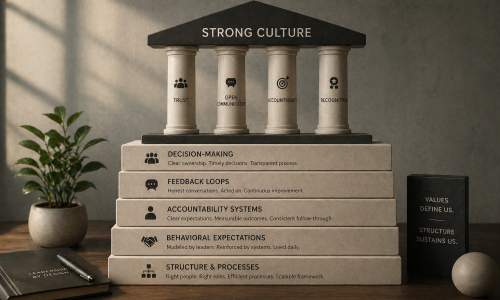
Stability has become a form of leadership strength. Not rigidity. Not resistance to change.
But consistency in how decisions are made, how expectations are set, and how standards are upheld.
In uncertain environments, constant change doesn’t always signal adaptability. Often, it creates fatigue and erodes focus. Stability gives people something to anchor to, even while direction evolves.
Clear priorities. Predictable communication. Reliable follow-through.
These are not small things. They shape whether people feel safe enough to do their best thinking.
The Leaders Who Are Coping Best
The leaders who seem to be coping best right now are not the ones trying to be everywhere or do everything.
They’re clear about what matters and equally clear about what doesn’t. They’re steady in how they lead, even when circumstances shift. They’re intentional about how they guide people through change instead of overwhelming them with it.
Rather than amplifying urgency, they reduce confusion. Rather than chasing visibility, they focus on judgment. Rather than reacting to every signal, they choose their responses carefully.
That steadiness is felt long before it’s spoken about.
The Real Measure of Leadership Now
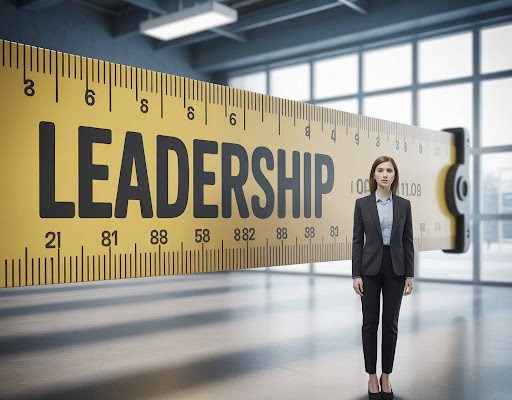
Leadership is being measured less by how confidently someone speaks and more by how reliably they lead.
Whether people feel clearer after an interaction, or are not more anxious. Whether decisions feel considered, not rushed. By whether consistency shows up, even when pressure is high.
That’s the shift happening quietly across teams and organisations.
And that’s what leadership is being measured by now.