From Vision to Execution: Where Leadership Is Really Tested
Why Vision Is Rarely the Hard Part
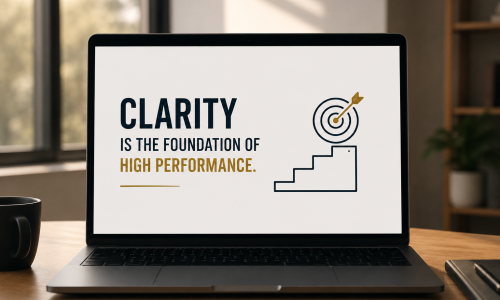
Ideas are rarely the problem.
Most teams can agree on where they are trying to go. Goals are discussed, strategies are outlined, and there are plenty of conversations about direction. At this stage, leadership often feels straightforward because alignment is high and enthusiasm is present.
But leadership is rarely tested here. The real test comes later, when the initial energy fades and the work becomes harder to sustain.
Where Execution Starts to Break Down
In practice, teams don’t usually struggle because the vision is unclear. They struggle because execution isn’t properly supported once competing priorities begin to show up.
Timelines are set without a realistic view of capacity. Too many initiatives are treated as equally urgent. Attention becomes fragmented. Follow-through becomes inconsistent as pressure builds.
People stay busy, but progress slows. Momentum fades not because effort is missing, but because focus is diluted.
That’s where execution quietly breaks down.
Execution Is a Leadership Choice
Turning vision into real results is less about motivation and more about practical leadership decisions.
It looks like being clear about what takes priority when everything feels important.
It means adjusting expectations when capacity is stretched instead of defaulting to pressure.
It requires leaders to stay involved when things get busy, rather than assuming the plan will carry itself.
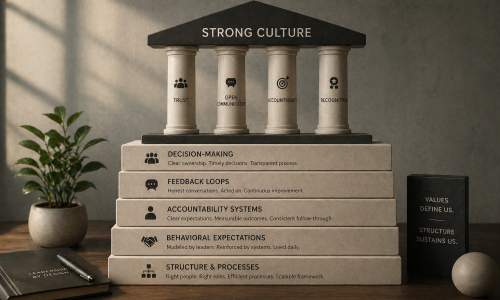
Execution doesn’t sustain itself. It needs structure, reinforcement, and visible leadership attention.
Creating the Conditions for Progress
Strong leaders do more than communicate direction. They pay attention to the conditions people are working in. They remove obstacles that slow progress. They protect focus when priorities compete. They make trade-offs clear instead of avoiding hard decisions.
These actions matter most when motivation dips, and the work feels repetitive, complex, or uncertain. That’s when teams stop needing inspiration and start needing clarity.
The Discipline of Holding Both
Vision may get things started, but execution is what keeps things moving.
Leadership shows up in the discipline of holding, not just setting direction, but sustaining progress day after day. Especially when the work is demanding, the pressure is high, and the results take time.
That is where leadership is truly tested.