Why Ownership Matters More Than Ever
One of the most common frustrations leaders face is feeling like they are carrying the weight of the entire team.
Projects stall unless they follow up repeatedly. Problems remain unsolved until leadership intervenes. Decisions get delayed because people hesitate to act independently.
When this happens, many leaders assume the issue is motivation.
In reality, the problem is often ownership.
Ownership is what causes people to take responsibility beyond the minimum requirements of their role. It is the mindset that encourages someone to identify problems, propose solutions, take initiative, and care about outcomes even when nobody is watching.
The challenge is that ownership cannot simply be demanded. It must be created.
And more often than not, leadership behaviour plays a significant role in determining whether ownership grows or disappears within a team.
Why Teams Struggle to Take Ownership
Many leaders genuinely want proactive and accountable teams. Yet some unknowingly create environments that discourage ownership altogether.
People become hesitant when expectations are unclear. They become dependent when every decision requires approval. They become cautious when mistakes are punished harshly. And they become disengaged when their ideas are ignored.
Ownership does not disappear because people suddenly stop caring. It often disappears because the environment teaches them that taking initiative is either unnecessary, risky, or unrewarded.
That is why leaders who want more ownership must first focus on creating the conditions that allow it to grow.
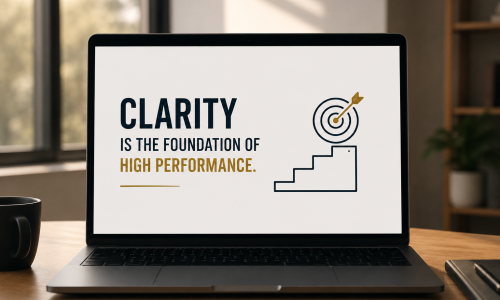
Give People Clarity, Not Confusion
One of the biggest obstacles to ownership is uncertainty.
People struggle to take responsibility for outcomes when they are unsure what success actually looks like.
They need clarity around priorities. They need clarity around expectations. They need clarity around decision-making authority. And they need clarity around how their work contributes to larger organisational goals.
Without this understanding, people often spend more energy trying to avoid mistakes than pursuing results. Clear leadership creates confident teams.
When people know where they are going and what is expected of them, they are far more willing to take initiative and make decisions independently.
Ownership begins with understanding.
Stop Micromanaging Everything
Few things destroy ownership faster than micromanagement. Leaders often micromanage with good intentions. They want quality. They want consistency. They want results.
But excessive control usually creates the opposite effect. When every decision must be approved, people stop thinking for themselves.
When every task is monitored closely, people become more focused on pleasing leadership than solving problems.
Eventually, initiative disappears because employees learn that their judgment is not trusted. Ownership requires responsibility, but responsibility also requires freedom. People need room to make decisions, exercise judgment, and contribute their own thinking.
This does not mean abandoning oversight. It means providing direction while allowing people enough autonomy to execute effectively.
Ownership needs room to breathe.
Let People Contribute Ideas
People naturally feel more invested in work they help shape. One of the fastest ways to increase ownership is to involve people in conversations that affect their work.
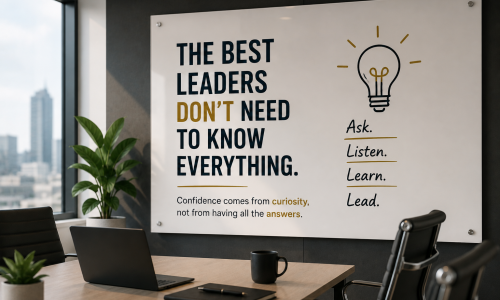
Ask for input.
Invite feedback.
Encourage problem-solving.
Create opportunities for people to contribute ideas before decisions are finalised. When individuals feel their perspectives are valued, they become more connected to outcomes.
The work stops feeling like something being imposed on them and starts feeling like something they are helping to build.
This creates a powerful shift in mindset. Instead of simply completing assigned tasks, people begin looking for ways to improve processes, solve challenges, and contribute beyond their job descriptions.
People support what they help create.
Respond to Mistakes With Maturity
Every team makes mistakes. The question is not whether mistakes will happen. The question is how leadership responds when they do. Many organisations unintentionally create cultures where people fear mistakes more than they value learning.
In these environments, people avoid taking risks.
They hesitate to make decisions. They wait for approval before acting. And ownership begins to disappear. Why?
Because ownership requires confidence, and confidence cannot thrive where fear dominates.
Strong leaders understand the difference between accountability and blame. Accountability focuses on learning, improvement, and future performance. Blame focuses on punishment and fault.
When leaders respond to mistakes with maturity, curiosity, and constructive feedback, people become more willing to take ownership because they know they can learn without being humiliated.
Psychological safety and accountability are not opposites. The strongest cultures contain both.
Model Accountability Yourself
Perhaps the most important leadership principle is this: Teams pay more attention to what leaders do than what leaders say. Leaders often talk about accountability, ownership, and responsibility.
But people watch behaviour far more closely than speeches. If leaders avoid accountability, others will too. If leaders shift blame when things go wrong, others will follow. If leaders fail to communicate clearly or consistently, the team eventually adopts similar habits.
Leadership behaviour quietly becomes team culture. This is why accountability must start at the top.
The leaders who create the strongest ownership cultures are often the first to admit mistakes, take responsibility, follow through on commitments, and model the standards they expect from others.
Their example gives people permission to do the same.
Ownership Is a Culture, Not a Program
Many organisations treat ownership as a performance issue. They try to solve it through targets, incentives, or pressure. While these approaches can produce short-term results, they rarely create lasting ownership.
Ownership is fundamentally cultural. It grows when people feel trusted. It grows when expectations are clear. It grows when people have opportunities to contribute. It grows when mistakes become learning opportunities rather than sources of fear.
And it grows when leadership consistently models the behaviour they want to see. In other words, ownership is not something leaders demand. It is something leaders cultivate.
The Takeaway
Ownership is not created by pressure alone.
It develops in environments where people feel trusted, informed, supported, and genuinely responsible for contributing to something meaningful.
Leaders who create these environments rarely need to push people constantly because the team begins driving results on its own.
The most effective leaders understand that ownership is not built through control.
It is built through clarity, trust, accountability, involvement, and consistent leadership behaviour.
Because when people feel trusted to contribute, they stop acting like employees completing tasks.
They start acting like owners invested in outcomes.