What People Remember Long After the Results
Over time, one leadership lesson keeps being reinforced for me: People rarely talk about how fast things moved, but they remember very clearly how it felt to work through that period.
Deadlines eventually blur together. Targets get replaced. Metrics change.
But the emotional experience of working under a leader tends to stay sharp.
How pressure was handled.Whether support was present or absent. Whether people felt trusted or constantly scrutinised.
Results often become the headline measure of leadership, and that makes sense to a point. Outcomes matter. But outcomes alone never tell the full story of how those results were achieved.
The Human Reality Behind Performance
Behind every result are people navigating pressure, uncertainty, ambition, and responsibility while trying to do good work.
When that human reality is ignored, performance doesn’t suddenly collapse.
It usually deteriorates slowly and quietly.
Engagement drops. Initiative fades. People stop offering ideas and start protecting themselves.
From the outside, things may still look fine for a while. But internally, capacity erodes, and resilience weakens.
Leadership that focuses only on output often misses these early signals until the cost becomes much higher than expected.
Why People-First Leadership Is Often Misunderstood
People-first leadership is frequently misunderstood as being soft or lowering standards.
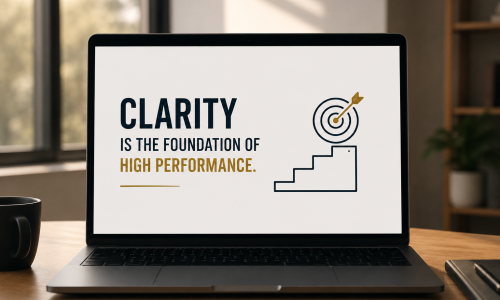
In practice, it’s the opposite. It’s about setting high expectations, but also being realistic and sustainable. It’s about clarity, not comfort. And it’s about building conditions where people can perform consistently, not just survive intense periods.
People-first leadership doesn’t avoid accountability. It strengthens it by creating an environment where people feel capable of owning their work instead of constantly fearing consequences.
Trust Changes How People Show Up
When people feel trusted, they tend to take more responsibility. When they feel respected, they engage more thoughtfully. And when they feel seen as more than just output, their performance becomes more consistent over time.
This isn’t abstract theory. It shows up in everyday behaviour.
People speak up sooner instead of waiting. They solve problems instead of passing them on.
They invest energy into improvement instead of self-protection.
Trust doesn’t remove pressure. It makes pressure manageable.
Why Fear-Based Performance Doesn’t Last
Short-term results can be achieved through fear, urgency, and relentless pressure. But those approaches rarely hold up over time.
They create exhaustion instead of momentum. Compliance instead of commitment. Silence instead of insight.
Sustainable success is rarely built through pressure alone. It’s built through trust, steady leadership, and environments where people feel safe enough to think clearly under demand.
The Leadership Impact That Endures
Long after specific metrics are forgotten, people remember how leadership made work feel.
Whether it was chaotic or grounded. Whether expectations were clear or constantly shifting.
Whether pressure was paired with support or simply handed down.
Leadership that understands this tends to hold up over time, not because it feels good in the moment, but because it creates durability.
And that durability is often the most overlooked measure of leadership success.